A CENTURY OF SHIP REPAIR
CURAÇAO LOOKS BACK AND AHEAD
For centuries, Curaçao’s natural harbor has provided shelter to vessels traveling through the Caribbean. Ships have been repaired, maintained and built here long before the arrival of the modern dry dock. In 2026, Curaçao marks a century since the beginning of its modern ship-repair era, when the first floating dry dock arrived in Willemstad and the S.S. Leonora was serviced there on September 11, 1926. The anniversary is not only an opportunity to look back at a century of ship repair. It is also a moment to consider what role Curaçao’s shipyard can play in the future of the island’s maritime economy.
Curaçao’s ship-repair story is rooted in an even older tradition of shipbuilding. In 1837, Salomon Elias Levy Maduro established a ship-bunkering business in Curaçao. Coal was supplied to vessels calling at the port, with workers carrying it on board by hand in sacks. As the business grew, his sons joined the company and S.E.L. Maduro & Sons developed into a broader maritime enterprise. During the 19th century, wooden shipbuilding was an important part of Curaçao’s maritime economy. Maduro, together with other shipowners, operated shipyards in the Schottegat and Sint Annabaai. Brigs and brig-schooners were built on the island and sailed as far as Europe and North America. By the end of the 19th century, however, the maritime world was changing rapidly. Wooden sailing ships were giving way to steel steamships. Rather than continuing to invest in wooden shipbuilding, Maduro adapted to the new maritime economy, becoming an important bunkering and ship-agency company. The arrival of the oil industry brought another major transformation. With the opening of the Panama Canal in 1914 and the establishment of the oil industry on Curaçao soon afterwards, the island became an increasingly important international shipping hub. The growing number of steel vessels calling at the port created a need for industrial ship-repair facilities.
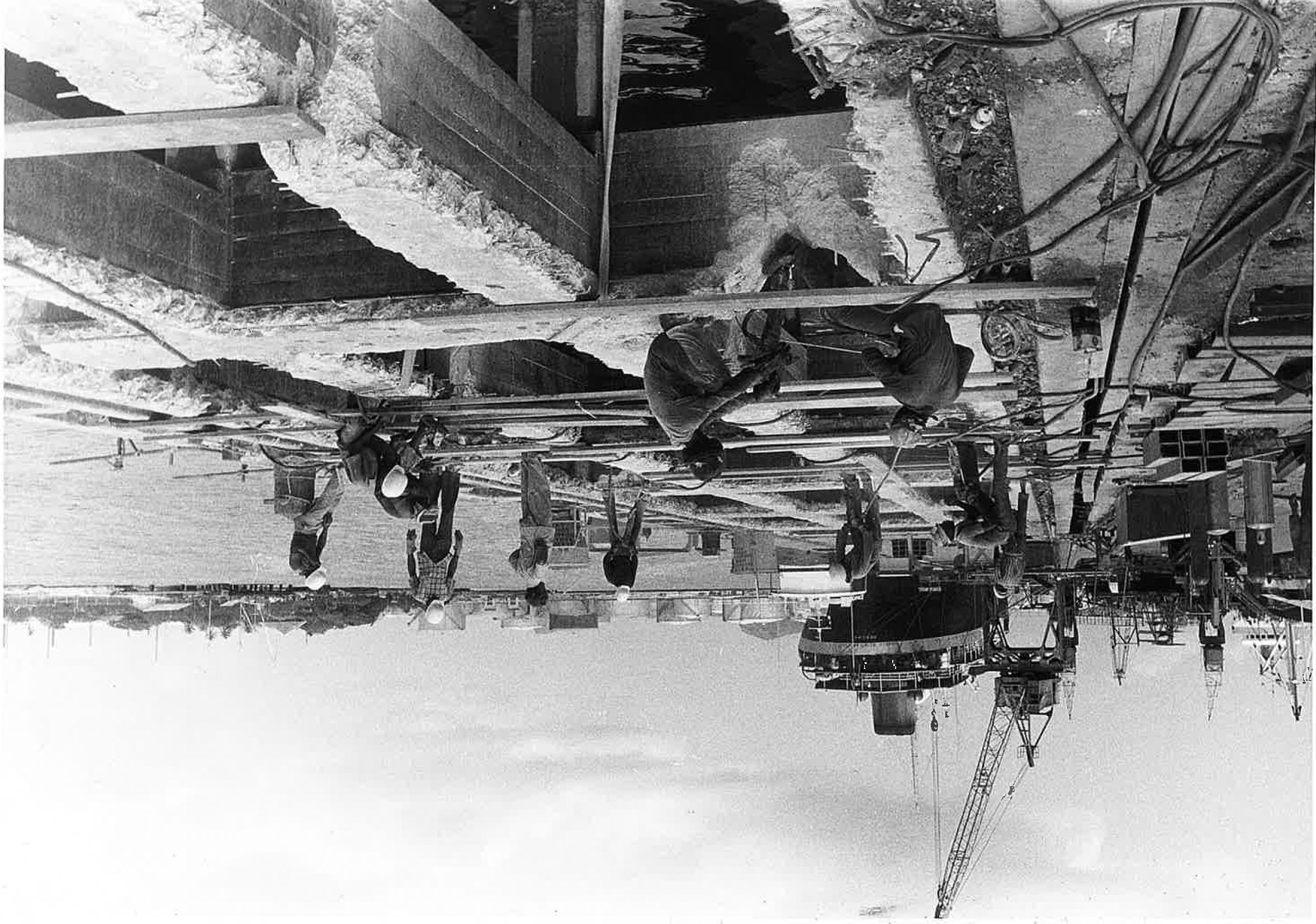
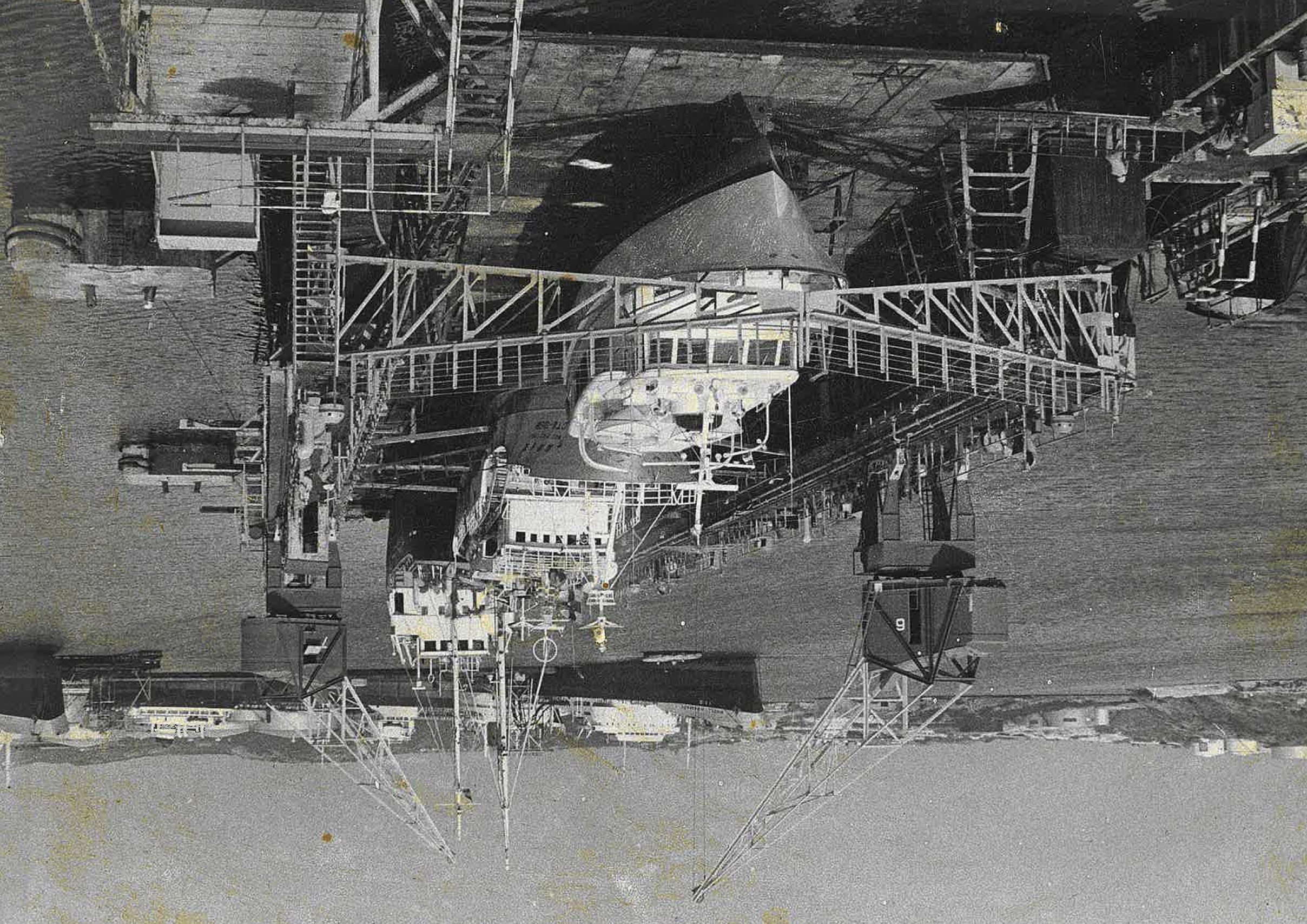
That need led to the arrival of Curaçao’s first modern dry dock in 1926: the floating Koningin Wilhelmina Dok. On September 11 of that year, the S.S. Leonora became the first vessel to be serviced there, marking the beginning of the century of ship repair now being celebrated.
The capacity of the port’s repair facilities soon expanded. In 1929, the Juliana Floating Dock arrived, effectively doubling the available capacity.
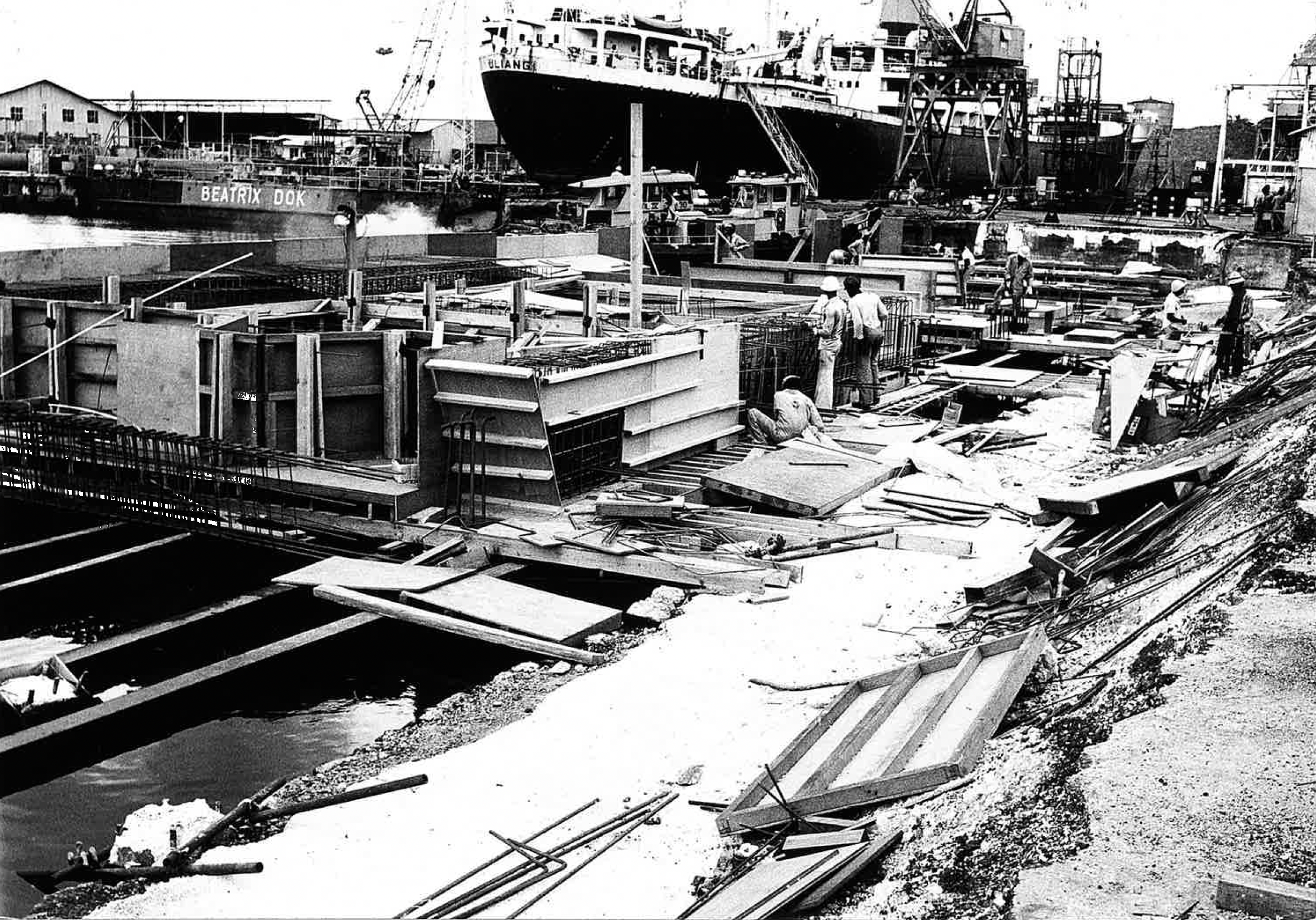
The demands of the Second World War accelerated this development. Curaçao’s oil industry was strategically important to the Allied war effort, while the threat of German U-boats and the increased traffic through the port created an urgent need for additional repair capacity. In 1941, the Beatrix Dry Dock was excavated to meet the wartime demand.
In 1959, the N.V. Curaçaose Dok Maatschappij (CDM) was established to centralize and professionalize ship-repair activities. The shipyard grew considerably in the decades that followed.
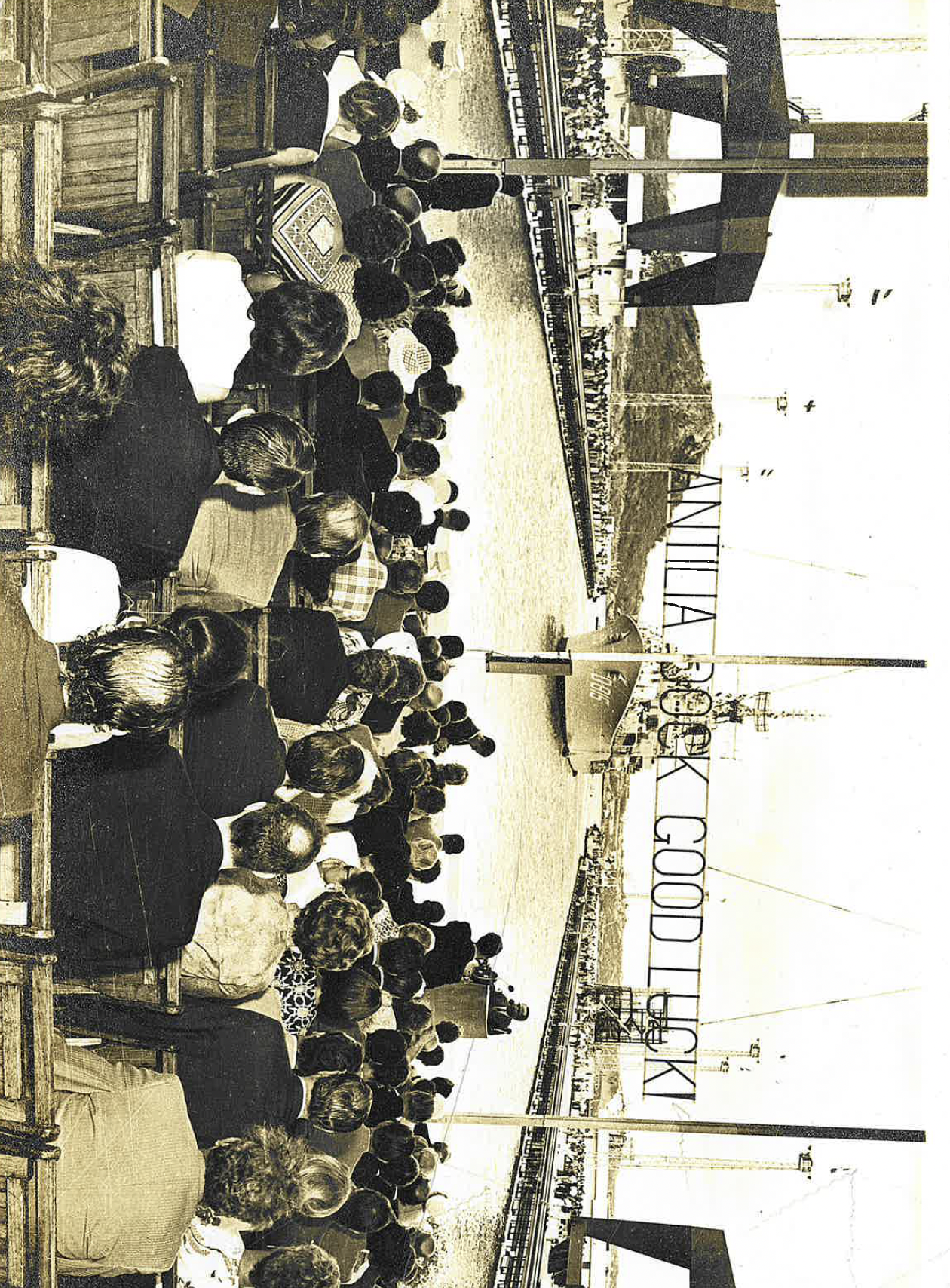
Its expansion reached a new scale in the 1970s with the construction of the Antillia Dock, capable of accommodating very large vessels. At its height, the shipyard employed more than 1,000 people and became one of the major employers in the Netherlands Antilles.
The shipyard’s fortunes changed toward the end of the 20th century. Aging infrastructure, insufficient investment and increasing international competition put the operation under financial pressure. Government intervention followed, reflecting the strategic importance of ship repair to Curaçao.
In 2017, Damen took over the operation, which became Damen Shiprepair Curaçao. The arrival of two new floating docks in 2018 marked another important investment in the yard’s future.
Today, the yard operates the Beatrix Dock and Antillia Dock, while a major modernization program is bringing new life to some of its older infrastructure.
The current investments are intended to do more than modernize equipment. They are part of a broader effort to strengthen Curaçao’s position as a regional ship-repair center and generate economic activity throughout the maritime ecosystem.
The first phase of the current CAPEX investment program has focused on improving the efficiency of the dry docks, including the pumps and pump chambers, electrical infrastructure and cranes. Faster and more reliable pumping systems mean that vessels can be docked and undocked more efficiently, increasing the yard’s capacity to serve customers.
The second phase will focus on the infrastructure of the work areas and improvements to the quay.
An economic impact analysis by Curconsult, projects that the employment generated by activities at the shipyard and on CDM Holding’s facilities could grow from approximately 671 FTEs today to 1,984 FTEs by the eighth year under the positive scenario. This includes direct, indirect and induced employment across the wider maritime value chain, including businesses providing technical services, logistics, accommodation and other support to vessels and their crews. The potential impact extends beyond the shipyard gates. More vessels calling for repairs means more demand for local suppliers, service providers and hotels, creating an economic ripple effect throughout Curaçao’s maritime and hospitality sectors.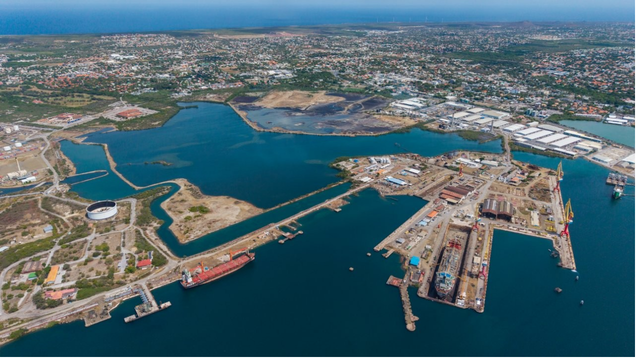
“We are not investing merely to preserve the shipyard’s proud industrial legacy. We are building the strategic infrastructure that can turn Curaçao’s location, craftsmanship and public maritime assets into greater regional market share, skilled employment and lasting value for the island. Modernizing the existing shipyard is the first step. Opening Buskabaai can unlock the next chapter,” says Agustin Diaz, Managing Director of CDM Holding.
Curaçao’s geographical position remains one of its strongest advantages. Located along major shipping routes and blessed with a deep natural harbor, the island is well positioned to serve vessels operating throughout the Caribbean and beyond. Its connections with Europe provide access to parts, equipment and technical expertise, while its multilingual workforce and political stability are additional advantages for international operators.
The ambition is clear: to put Curaçao’s ship-repair facilities back among the leading facilities in the region.
“The 100-year anniversary is an opportunity to give thanks for everything that has been achieved over the past century, while also remembering the people who paved the way for the ship repair industry in Curaçao,” says Jurine Thomas of Damen.
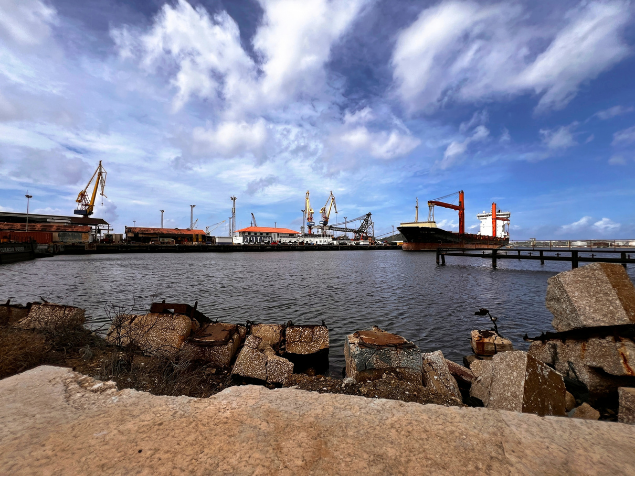
To mark the occasion, this year’s Maritime Days will take place at the Damen shipyard. The celebrations will begin on Sunday, September 20 with a Holy Mass. During the following week, Curaçao Ports Authority will host Maritime Days activities for local schools. Students will be welcomed to the shipyard for activities organized by stakeholders in the port and will have the opportunity to tour the dry-dock facilities and grounds, an experience that is normally not accessible to the public.
On Thursday, September 24, Maritime Day itself, CMAR will host its annual reception at the Damen shipyard. Ministers will be present, and as a lasting symbol of the anniversary, Damen will present an antique ship component to the Government of Curaçao. The piece will eventually be displayed at the Curaçao Maritime Museum.
The celebrations will conclude on Saturday, September 26, when Damen employees and their families will visit the shipyard for a tour of the facilities and an opportunity to learn more about the maritime world.
A century after the first vessel entered the Koningin Wilhelmina Floating Dock, Curaçao’s ship-repair industry is once again looking toward the future. The history of ship repair on the island has always been one of adaptation: from wooden sailing ships to steamships, from coal to oil, and from the first floating dock to today’s modern repair facilities.
The next chapter is now being written.