A Century of Ship Repair Celebrated by Curaçao’s Maritime Community
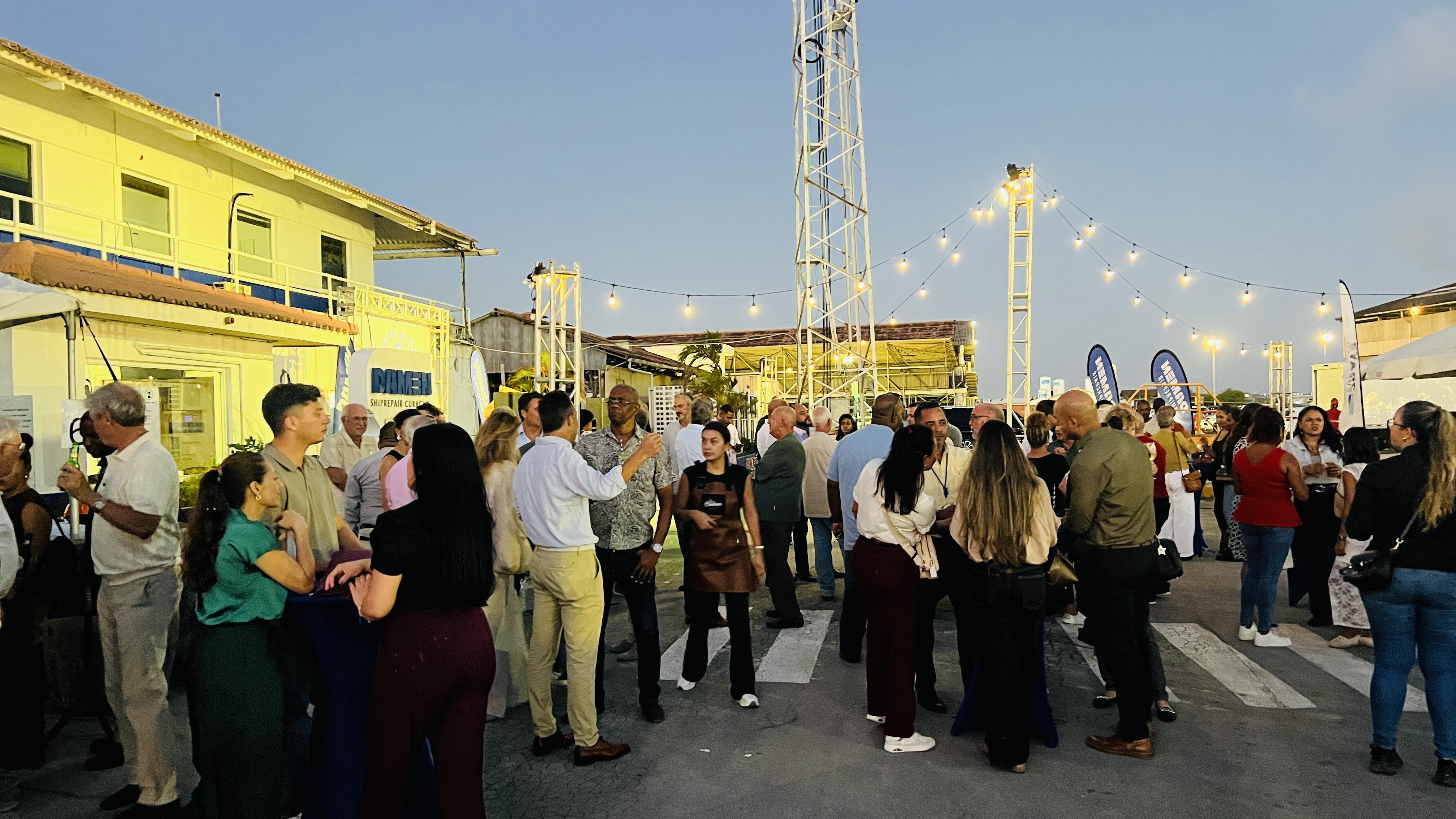
Curaçao’s maritime community came together at Damen Shiprepair Curaçao on September 24 to celebrate World Maritime Day and mark 100 years of modern ship repair on the island. The evening brought together representatives from across the maritime sector for an evening of reflection, recognition and looking ahead.
This year’s World Maritime Day theme, “From Policy to Practice: Powering Maritime Excellence,” provided a fitting backdrop. As CMAR Chairman Sujit Mathoera noted, maritime excellence does not have to be complicated. Plans and ideas matter, but they only become meaningful when they are translated into concrete action, investing in people and skills, and continuously improving safety.
The importance of people was particularly visible during the Maritime Days activities leading up to the evening event. More than 1,100 secondary school students visited the Damen shipyard over three days, getting a closer look at the maritime sector and the many professions and opportunities it offers. The visits also provided a reminder of why safety matters so much: everyone working at the yard is someone’s son, daughter, brother, sister, parent or friend. The work may be industrial, but its impact is deeply personal.
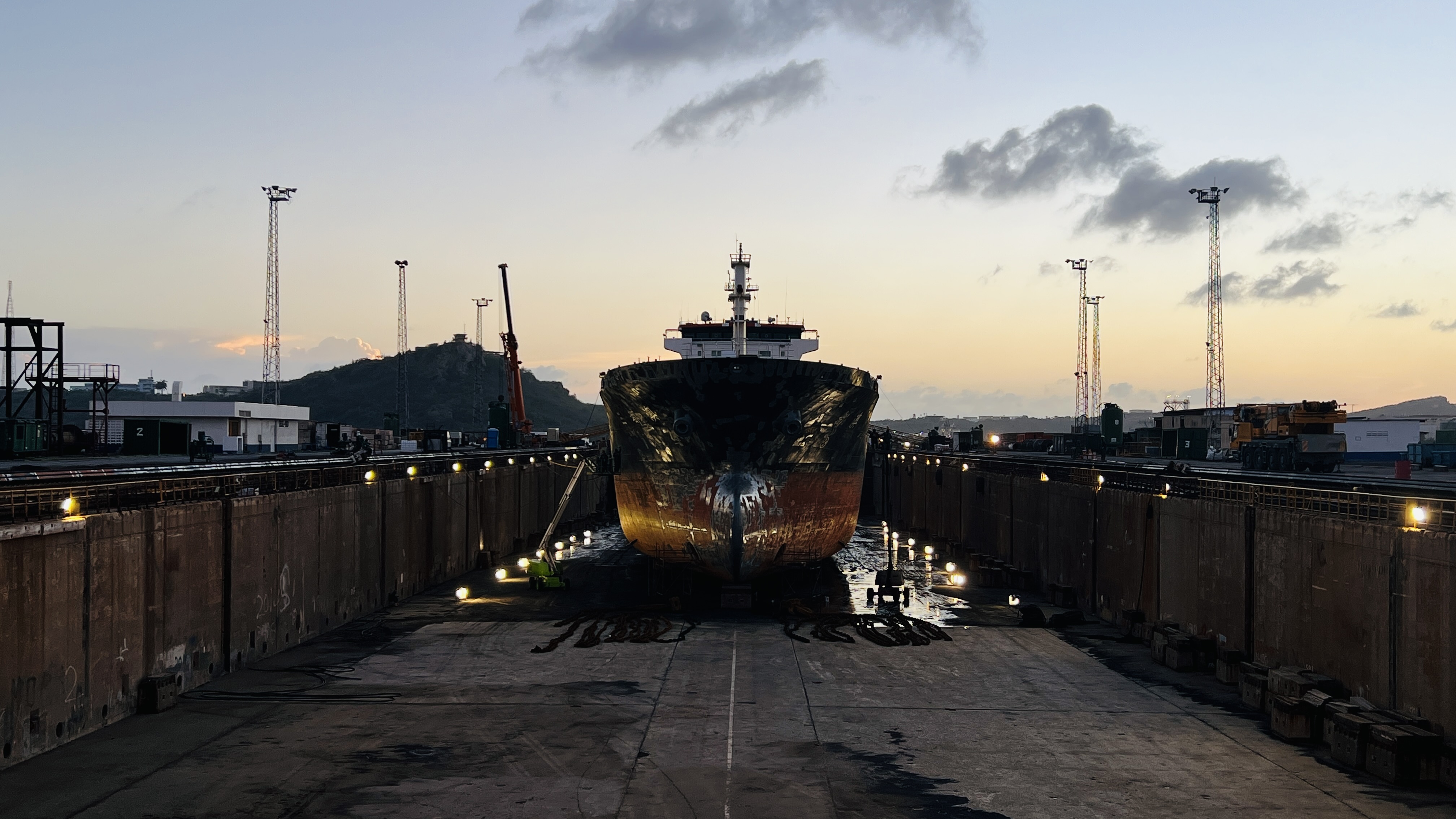
The evening also celebrated a century of modern ship repair in Curaçao. While ships had been built and repaired on the island long before 1926, that year marked the beginning of a new chapter with the arrival of the Wilhelmina Floating Dock and the first vessel entering the dock in September.
Looking back at that history, CDM Holding Managing Director Agustin Diaz highlighted how the ship-repair industry has continued to evolve and adapt. The Government of Curaçao has also been documenting this history in a new publication, bringing together written articles and videos covering the century of ship repair on the island. The publication traces the development of the industry through its different eras, from the years before 1926 and the CSM Shell era to the CDM period and the current era of Damen and beyond. The historical timeline also provides context for the opportunities ahead. With offshore production expanding in Guyana and Suriname, the region is seeing growing demand for maritime services. Today, investments are underway to rehabilitate and modernize strategic infrastructure at the shipyard, with further development of the dock and Buskabaai area forming part of the longer-term vision.
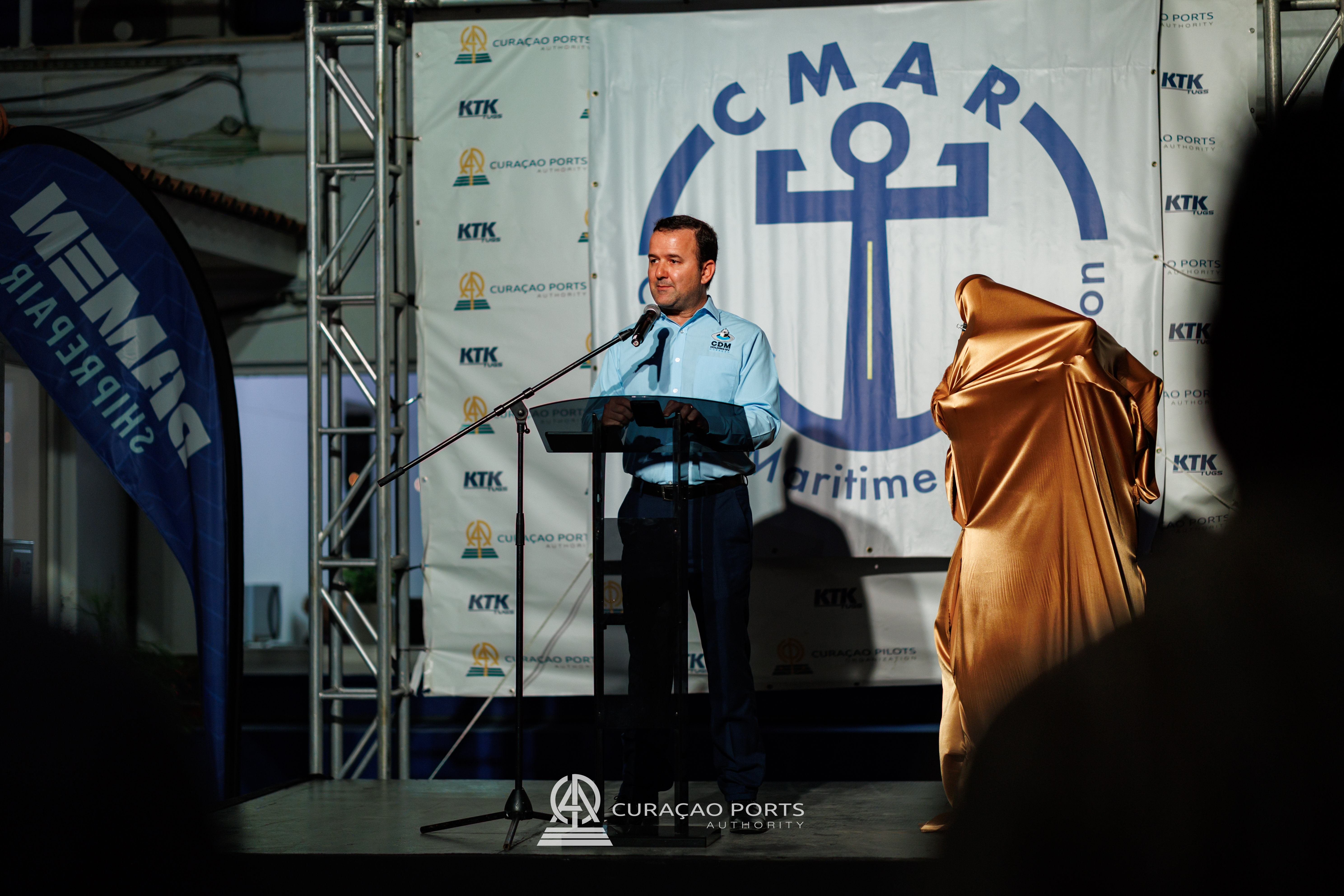
Agustin Diaz | photo used with permission
One of the most memorable moments of the evening was the unveiling of a new artwork commissioned by Damen Curaçao to commemorate the 100-year milestone. Created by Curaçao artist Giovanni Abath, the piece was designed to capture both the history of ship repair and its future.
The artist found his inspiration in a propeller, which became the central element of the work. Its movement represents the 100 years that have passed and the 100 years still to come. The artwork also reflects the people behind the industry: workers arriving at the yard with their tools, knowledge and experience, then returning home to build their families, homes and futures.
Around the central vessel, circles represent the many ships that have come to Curaçao over the years with problems, damage or maintenance needs and left again ready to continue their journeys. Together, those individual projects form something much larger: a century of experience, skills and craftsmanship.
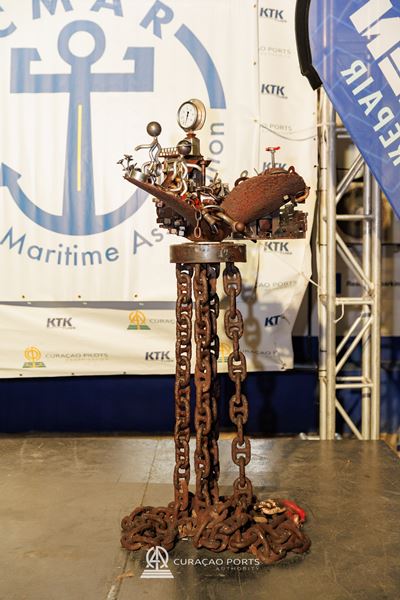
Photo used with permission
The artwork was presented by Damen Shiprepair Curaçao to the Government of Curaçao, represented by Minister Middelhof. The Maritime Museum will be its permanent home, where it will be displayed alongside the story of the 100 years of ship repair in Curaçao.
As the formal program came to an end, Sujit reflected on what previous generations had built and the responsibility of the current maritime community to shape the next chapter.
And then, appropriately, the speeches gave way to conversation. With drinks and snacks waiting, members of Curaçao’s maritime community had the opportunity to continue the evening together, not only celebrating where the sector has come from, but sharing the space with the people who will help shape where it goes next.
Thank you to everyone who joined us, and to Damen Curaçao and Curaçao Ports Authority (CPA) for helping make this evening possible.
---
Maritime Law: Where Legal Expertise Meets Maritime Practice
A collision between two vessels, damaged cargo or a maritime claim that needs urgent attention can quickly turn a routine day into a complex legal matter. Elsewhere, a shipowner may be arranging financing or a maritime business may be assessing a new opportunity. For maritime lawyer and CMAR Vice President Willemieke Princée, these are different sides of a practice that combines litigation with practical advice on international maritime business.
With 20 years of experience as a lawyer, including 15 years in Curaçao, Willemieke specializes in cross-border litigation and maritime law. Her maritime practice covers cargo claims, casualties, ship financing and registration, ship arrests, sanctions, as well as transport, insurance and logistics matters. She works for various maritime players in Curaçao and throughout the Dutch Caribbean.
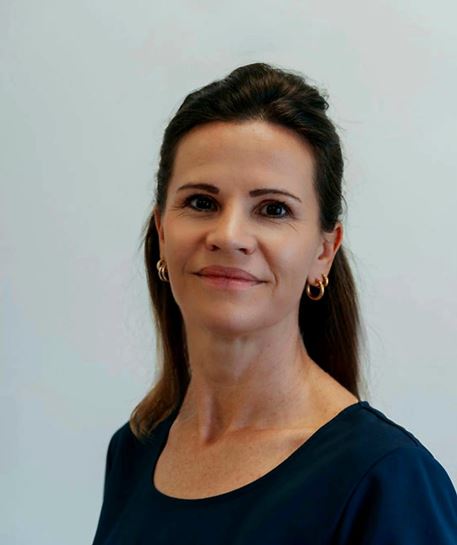
Willemieke Princée
She co-founded OX & WOLF legal partners in 2015 and completed a postgraduate Marine program at Erasmus University Rotterdam that also covered ship technology. Her connection to the maritime sector is also personal. She sailed and windsurfed frequently when she was younger, and that early love of the sea helped shape her interest in maritime law.
“It is a very dynamic practice, and that is one of the things I enjoy most about it,” she says. Curaçao’s position as an island with a large international port means maritime activity can touch many areas of law. An incident involving a vessel may raise questions about liability, insurance and recovery of claims, often across several jurisdictions.
The international character of shipping adds another layer. A vessel in Curaçao’s waters may be registered under a foreign flag, while its crew may be subject to employment agreements governed by another legal system. It often requires looking at the laws of several jurisdictions at once. Willemieke works with lawyers in other countries through her international network when foreign law is involved.
For her, the appeal also lies in the close connection between legal advice and day-to-day maritime operations. “A vessel may only be in port for a short time, so you need to understand not only the legal issues but also the commercial realities. That combination makes the work particularly interesting and dynamic.”

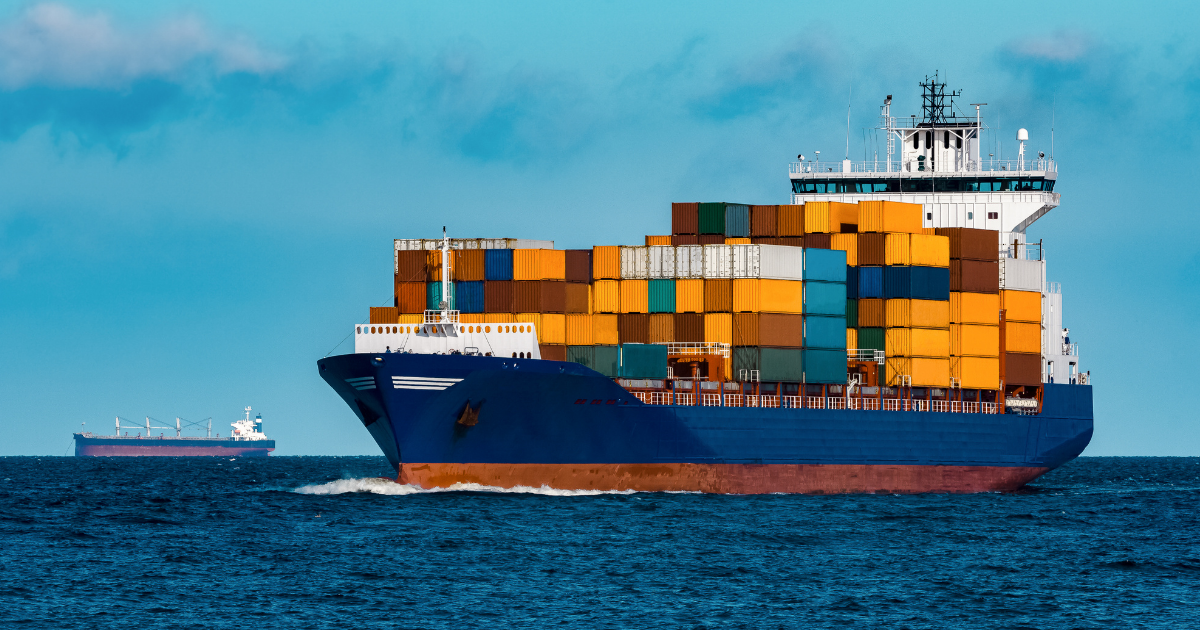
Stock photo by Photo by Sajjad Naqvi.
Sanctions compliance is another recurring theme in her practice. Earlier this year, CMAR members explored the practical side of sanctions compliance during the AGM presentation “Sanctions in Practice: Do’s & Don’ts.” See our July issue for the article and slides. The topic also comes up regularly in Willemieke’s own practice, particularly in relation to OFAC sanctions regarding Venezuela. She emphasizes that sanctions questions require a careful, case-by-case assessment, including which sanctions regimes apply, who and what is involved and whether an activity is prohibited or requires authorization. Legal obligations and potential reputational risks both need to be considered.
Her advisory work also includes helping maritime businesses assess the legal risks of their commercial arrangements. For service providers, this can mean clearly allocating responsibilities, agreeing appropriate liability provisions and ensuring that contracts fit the services provided and the available insurance cover. General terms and conditions are one part of that broader assessment. Clear communication with customers and within the company is equally important, particularly when an operation does not go as planned.
When an incident occurs or a maritime claim needs urgent attention, her litigation experience helps clients assess their options and act promptly. But she also sees value in addressing risks before they become disputes.
“The earlier you understand the risks, the more options you have to manage them,” she says. “A timely conversation or a well-drafted agreement can prevent a much larger problem later.”
For Willemieke, both litigation and preventive advice are rewarding parts of her work. “I enjoy developing a strategy in a complex dispute and representing a client in court,” she says. “But it is even more satisfying to help a client resolve an issue early or to put a settlement in place that works well in practice.”
She also sees a role for herself within Curaçao’s maritime community. As CMAR Vice President, she finds it rewarding to contribute to the association alongside her legal practice and family life. “There is a great deal of maritime knowledge and experience here in Curaçao, and so many opportunities to build on it,” she says. “By bringing the interests of the private sector together, we can put Curaçao more firmly on the international maritime map.”
For a sector that operates across borders and under constantly changing circumstances, that combination of maritime knowledge, legal expertise and collaboration is increasingly important.
---